Casurance

Call: 1-888-254-0089  ·  Mon–Fri 9 am–5 pm PST  ·  Licensed in CA, TX, NV & all 50 states  ·  info@casurance.com

Commercial building with property and liability insurance from Casurance

Commercial Umbrella & Excess Liability Insurance: Real Claims Examples

Quick Answer

Real-world Commercial Umbrella & Excess Liability Insurance claim scenarios showing what was covered, how much was paid, and lessons for business owners.

Commercial umbrella and excess liability insurance provides additional liability limits above your primary policies — extending protection when underlying general liability, commercial auto, or workers' compensation limits are exhausted by a large claim.

Coverage Summary

Commercial umbrella insurance sits above primary liability policies (GL, commercial auto, employers' liability) and provides additional limits — typically $1M–$25M+ — when a claim exhausts underlying policy limits. It also provides broader coverage ('drops down' to cover some gaps in underlying policies). Excess liability is similar but follows the underlying policy form exactly without broadening coverage. Umbrella/excess is required by many commercial contracts and essential for any business with significant assets or operations that could generate large claims.

Multi-Vehicle Trucking Accident — Umbrella Triggered

Industry: Transportation / Trucking

A commercial trucking company's driver rear-ended a vehicle at highway speed, causing a 5-car chain reaction. The accident resulted in 2 fatalities and 3 serious injuries. The primary commercial auto policy had $1M per occurrence limits.

Claim amount: $3.8 million

Outcome: Primary commercial auto paid $1M (full limit). The umbrella policy — $5M limit — paid the excess $2.8M. Total payment: $3.8M. Without the umbrella, the company would have been personally liable for $2.8M in excess judgment — sufficient to bankrupt most small to mid-size trucking companies.

Lesson: Trucking companies are among the most significant buyers of umbrella/excess liability. Federal FMCSA minimum limits of $750,000 are widely considered inadequate. Most carriers in the trucking space recommend $1M primary + $5M umbrella at minimum.


Choose the layer that fits your primary insurance

Use the claim examples below to identify the policy documents, notice requirements and underlying limits that matter after a serious liability loss. For future protection, start a separate umbrella or excess quote here.

Illustrative commercial district with offices, shops and a delivery van

Notify the right insurers and preserve the record

Construction managers reviewing plans on a commercial project

Follow the notice instructions in your current primary and excess policies. A severe incident may need notice to more than one insurer before its final value is known. Keep a dated record of the event, correspondence and documents sent.

  • Forward demands and suit papers promptly.
  • Preserve incident reports, photographs and witness details.
  • A quote application does not report or resolve a claim.

Trace the loss through the underlying layer

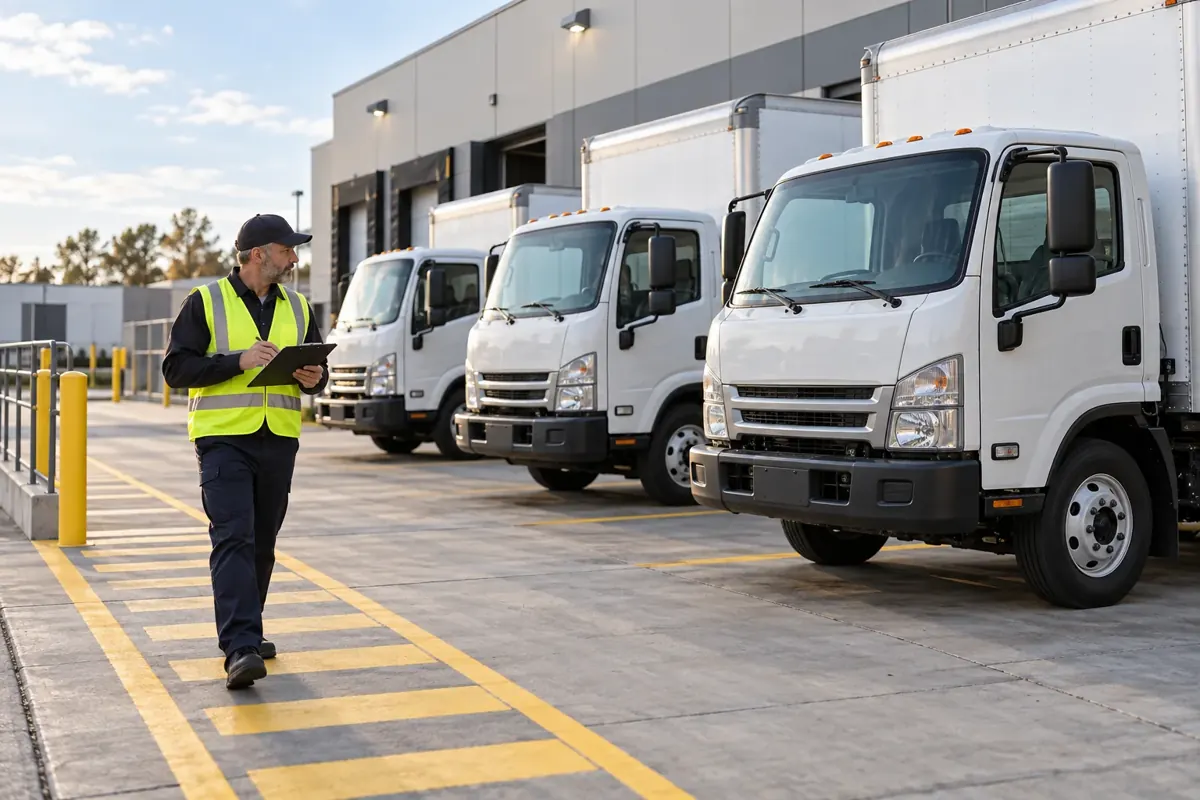
Fleet supervisor inspecting delivery trucks at a depot

The excess handler will need to understand which primary policy applies, the available limits and how the underlying insurer is addressing the claim. A large demand does not by itself establish that the excess policy must pay.

  • Identify the accident or occurrence date.
  • Provide the policy and endorsements in force.
  • Ask how defense expenses and aggregate erosion affect the layer.

Identify all insured locations and parties

Property managers reviewing pedestrian access in a commercial courtyard

A premises injury can involve the owner, tenant, manager and contractors. Confirm the named insureds and any additional insured provisions rather than relying only on the certificate of insurance.

  • Gather leases and service agreements.
  • Describe the location and involved operations.
  • Keep incident reporting separate from future coverage requests.

Keep products and completed-work information available

Manufacturing engineer inspecting a machined component

A product allegation or completed-operations claim may emerge after work or delivery has finished. Records of products, customers, installations and prior policy periods can be important to the investigation.

  • Preserve batch, delivery and project records.
  • Do not assume recall expenses are liability damages.
  • Follow insurer instructions for cooperation and defense.

Use the renewal review to address changed exposures

Business owner and insurance advisor reviewing underlying policies

Bring updated loss runs and explain corrective measures. Compare the proposed renewal wording with the current primary and umbrella forms, especially where an exclusion, sublimit or attachment requirement has changed.

  • Disclose known incidents and open claims.
  • Review the requested limit and retention.
  • Coverage depends on policy terms and claim facts.

Start your umbrella and excess quote

Carrier availability, attachment requirements and policy terms vary by state and risk.

Get a Free Commercial Insurance Quote

Casurance is a licensed commercial insurance agency serving businesses in California, Texas, Nevada, and all 50 states. We work with A-rated carriers to find the right coverage at competitive rates.

Request a Quote Online  ·  Call 1-888-254-0089 — same-day certificates and 24–48 hour quote turnaround.