Commercial building with property and liability insurance from Casurance
Commercial Umbrella Insurance
Quick Answer
Commercial umbrella insurance with limits up to $50M+ for businesses. Excess liability protection above general liability, auto, and employer's liability. Get…
Industry
Commercial Umbrella Insurance
Commercial Umbrella Insurance provides crucial excess liability coverage that kicks in when your underlying liability policies reach their limits. With umbrella limits ranging from $1M to $50M+ (and up to $100M for larger businesses), this coverage protects your organization from catastrophic claims…
Key Coverages for Commercial Umbrella Businesses
Excess liability above Commercial General Liability
Excess coverage over Business Auto Liability
Excess Employer's Liability protection
Separate aggregate limits per policy period
Drop-down coverage when underlying limits exhausted
Defense costs outside the limit (some policies)
Frequently Asked Questions
What is the difference between umbrella and excess liability insurance?
Commercial umbrella insurance provides broader coverage and may fill gaps in underlying policies, while excess liability strictly follows the terms of the underlying policy. Umbrella policies often include drop-down coverage when underlying policies …
How much commercial umbrella coverage do I need?
Coverage needs depend on your industry, contract requirements, and asset exposure. Standard limits range from $1M to $25M per occurrence and aggregate. Larger businesses may need $50M or more, with some corporations requiring up to $100M in umbrella …
Build an umbrella submission around your business class. Casurance reviews the primary policies, requested additional limits and operating details together so the market can evaluate the complete liability picture.
Match additional limits to the contracts you accept
Construction agreements and customer contracts may require specific limits, additional insured wording or completed-operations protection. Supply the actual insurance exhibit so the producer can compare it with both the primary policy and the proposed umbrella or excess form.
Describe your work, project types and subcontractors.
Identify each legal entity requesting coverage.
Confirm endorsements rather than relying on a certificate alone.
Account for commercial auto and fleet exposures
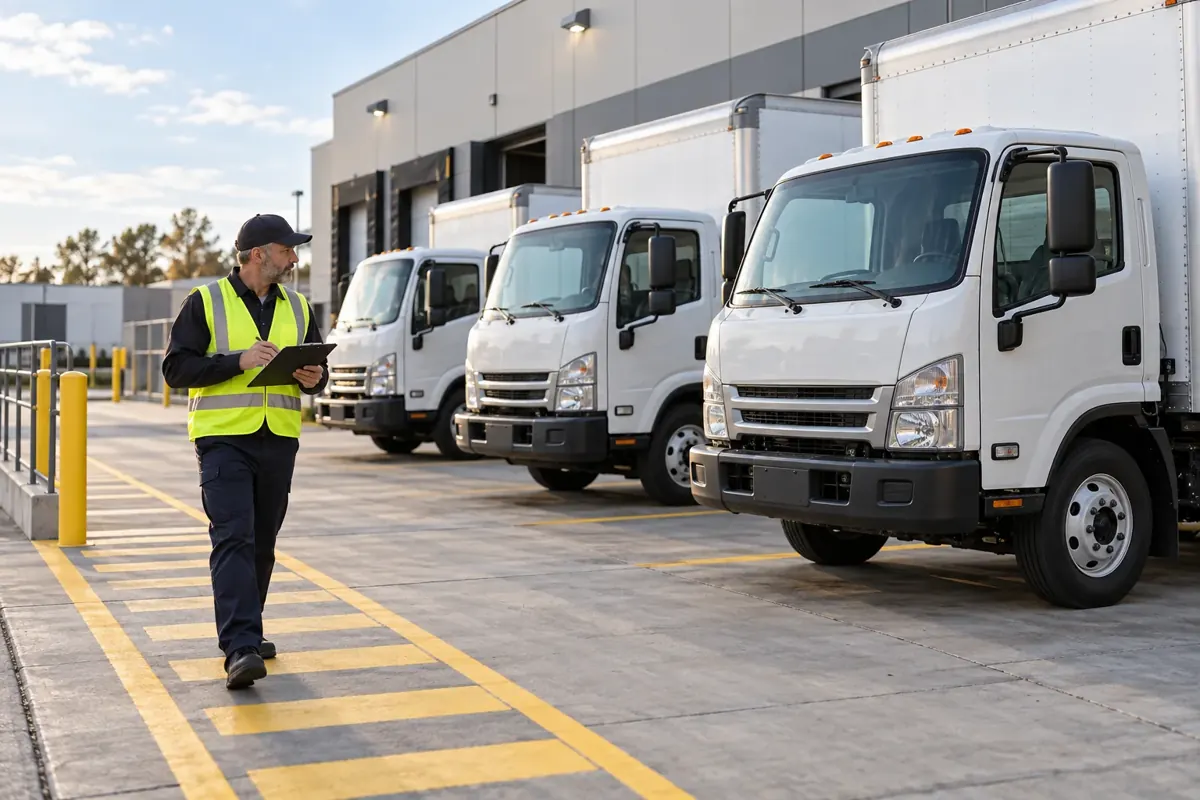
An umbrella should not be assumed to cover every vehicle or driving activity. Show the primary auto carrier, covered operations, limits and any excluded drivers, then describe fleet size, radius, passengers or cargo.
Review hired and non-owned auto where applicable.
Confirm the required underlying auto limit.
Disclose passenger-for-hire and hazardous cargo operations.
Connect premises, property management and entity details
Serious liability claims can arise from public areas, maintenance work or an operation at one of several locations. Identify owners, managers, tenants and other entities that need protection, then review how limits and aggregates apply across the schedule.
Include all locations, units and significant amenities.
Separate liability limits from building replacement values.
Review named insured and additional insured requirements.
Manufacturing, products and completed operations
For manufacturers, distributors and contractors, the potential liability may continue after a product is delivered or a job is complete. Describe end uses, distribution and work performed so exclusions and any products-completed operations aggregate can be reviewed.
Disclose imports, exports and subcontracted production.
Explain quality controls and known incidents.
Do not assume recall, professional or pollution cover is included.
Build a clear underlying insurance schedule
Step 2 asks for each underlying carrier, coverage type, occurrence or accident limit, aggregate and policy dates. Those details help identify the attachment point and possible gaps. An umbrella is not an automatic substitute for a missing or excluded primary policy.
Request the limit and effective date you need.
Attach declarations, loss runs and contracts if available.
Review exclusions, retentions and defense costs before binding.
Carrier availability, attachment requirements and policy terms vary by state and risk.
Get a Free Commercial Insurance Quote
Casurance is a licensed commercial insurance agency serving businesses in California, Texas, Nevada, and all 50 states. We work with A-rated carriers to find the right coverage at competitive rates.